

People at the clinic
Meet Simon Miles
Meet Simon and learn about his experience making and fitting dentures, and his personal approach to care in Poulton.
Read the articleDENTURE Q&A · COTSWOLD DENTURE CLINIC
People at the clinic
Meet Simon and learn about his experience making and fitting dentures, and his personal approach to care in Poulton.
Read the article


Browse our existing Cotswold guides alongside the new articles and Simon’s Talking Dentures series. Find practical answers about comfort, cleaning, eating, new dentures and repairs.
206 articles shown

Behind the scenes
From unfinished rooms to a welcoming reception: a look behind the scenes at how we fitted out our Poulton denture clinic, with photographs of Simon at work.
Read the article →Patient guide

Partial dentures
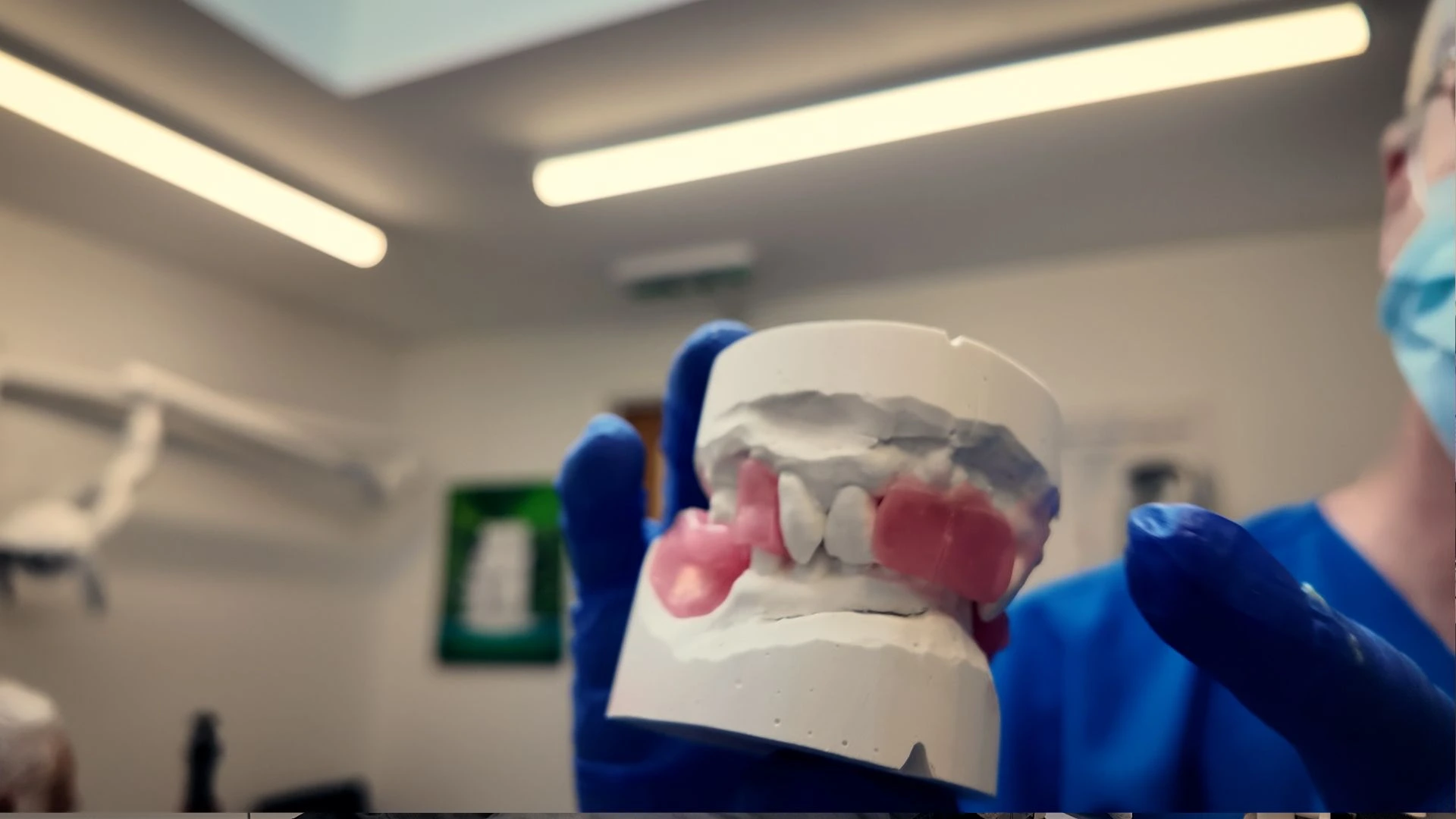
What holds a partial denture steady, whether clips show, and what to do if the fit changes—with real demonstration photographs from Simon.
Read the article →Patient guide
Comfort and fit
A rubbing edge, an uneven bite or a denture that shifts: what a review can check, and why an adjustment is different from a reline.
Read the article →Patient guide

Simon on Talking Dentures
How dentures can help you enjoy food again, why eating feels different, and what Simon wants you to understand about comfort, strength and fit.
Read the article →Video guide

Eating with dentures
Enjoy your food again, from easy first meals to getting back to your favourites. Here’s what helps—and when to have the fit checked.
Read the article →Patient guide

Appointments and treatment planning
Your medical history belongs in a denture appointment even when you are only asking about replacing an old set.
Read the article →Patient guide

Appointments and treatment planning
Feeling anxious about a denture appointment is a good reason to tell the clinic in advance.
Read the article →Patient guide

Appointments and treatment planning
A second opinion can be useful when you are unsure why a denture keeps causing trouble or when proposed treatment does not make sense to you.
Read the article →Patient guide

Appointments and treatment planning
An old photograph can be a useful starting point for a conversation about new dentures.
Read the article →Patient guide

Appointments and treatment planning
A denture try-in is your opportunity to comment on a proposed tooth arrangement before the final denture is completed.
Read the article →Patient guide
Appointments and treatment planning
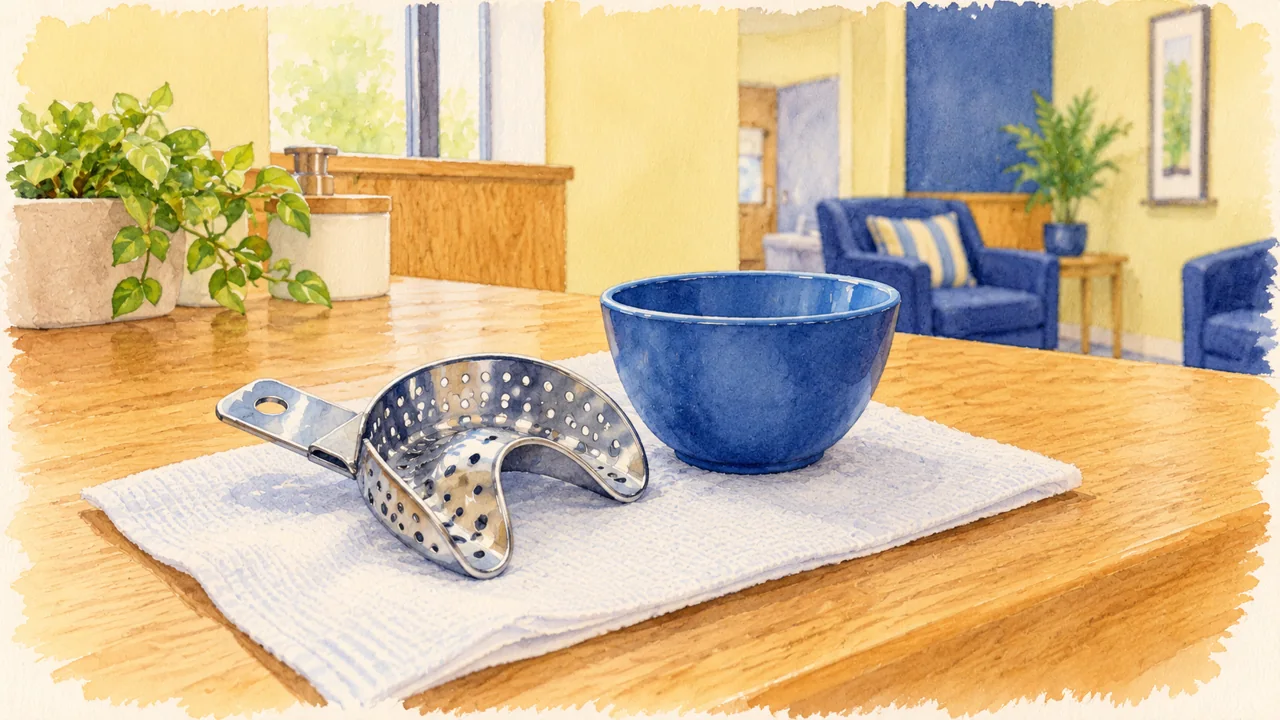
Denture impressions record the shape of the mouth so that a denture can be planned and made to suit it.
Read the article →Patient guide

Appointments and treatment planning
A denture needs more than a record of the gums.
Read the article →Patient guide

Appointments and treatment planning
The right denture tooth shade is the one that works with your mouth and your preferences.
Read the article →Patient guide

Appointments and treatment planning
A treatment plan should help you understand what is being proposed, why it is suitable and what you can expect afterwards.
Read the article →Patient guide

Costs and informed choices
A written denture quotation is most useful when it describes the proposed work, rather than showing only a final figure.
Read the article →Patient guide

Denture types and materials
Cobalt-chromium is a metal alloy used for the framework of some partial dentures.
Read the article →Patient guide

Denture types and materials
Acrylic partial dentures use a plastic base to carry replacement teeth and, where needed, replace the appearance of missing gum tissue.
Read the article →Patient guide

Denture types and materials
Flexible dentures are often promoted as discreet and comfortable because their material can flex around the mouth.
Read the article →Patient guide

Denture types and materials
Digital denture design uses computer-based records and planning for part of the making process.
Read the article →Patient guide
Denture types and materials
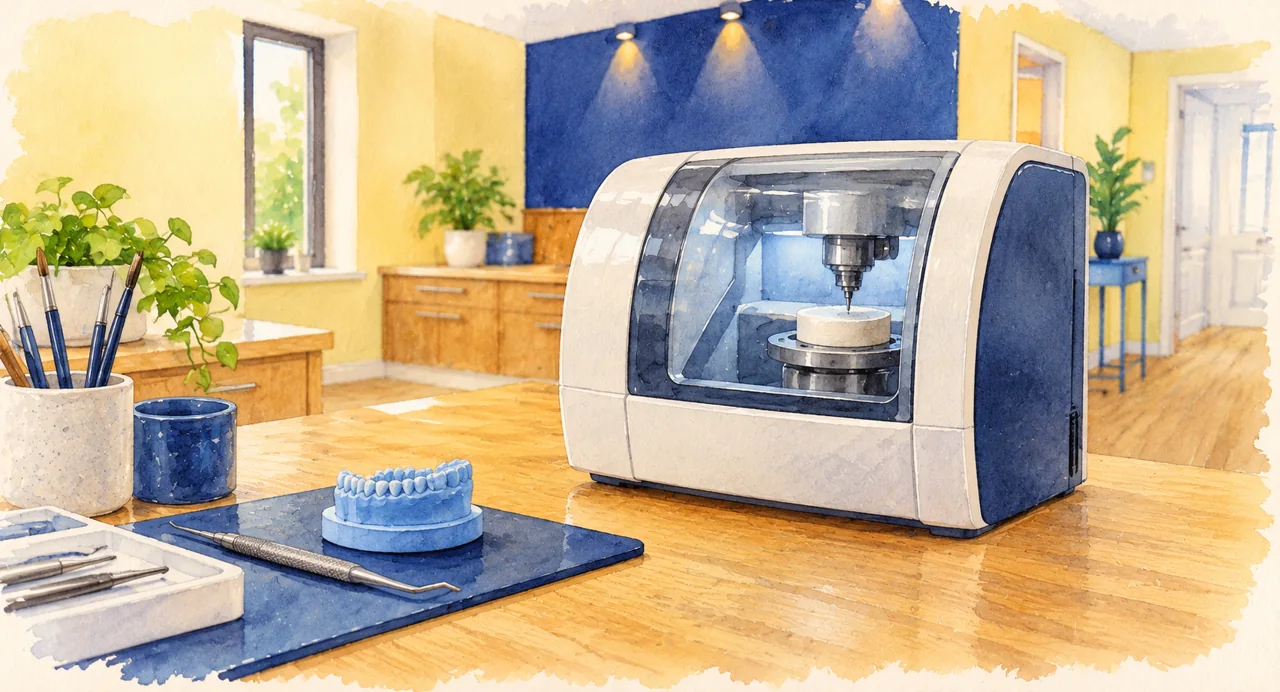
Milling and printing describe ways of manufacturing a denture or its components from a digital design.
Read the article →Patient guide
Denture types and materials
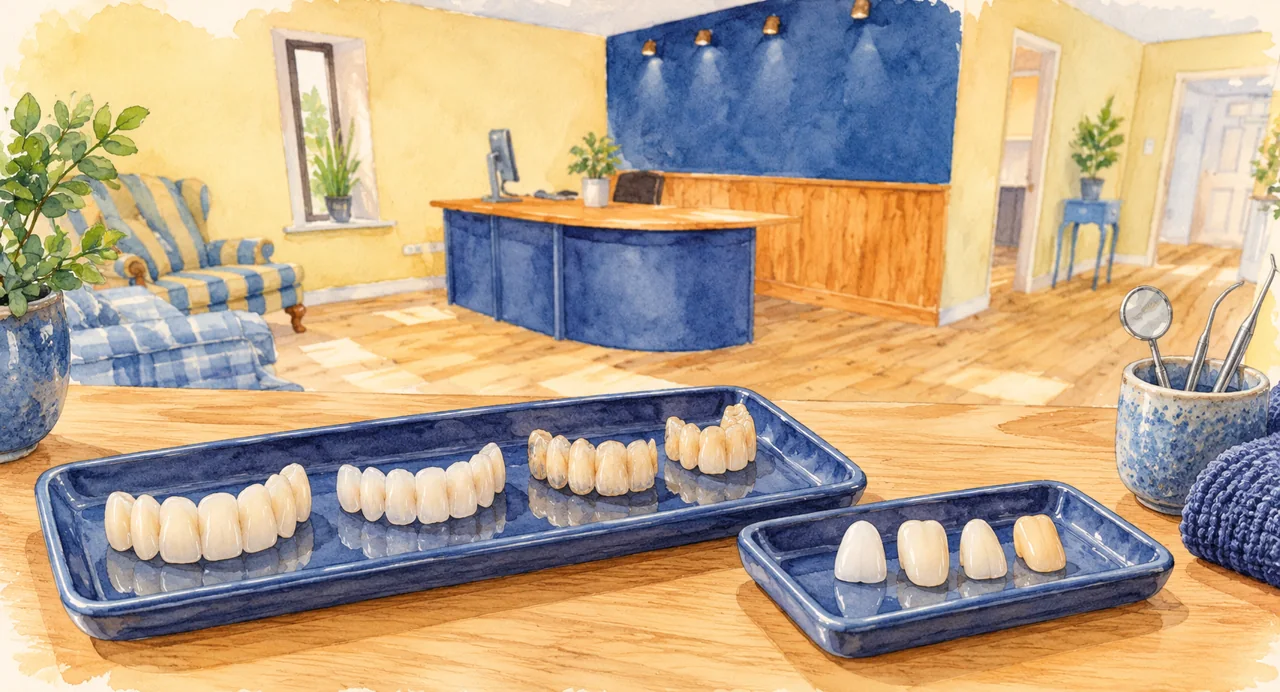
Denture teeth are manufactured components selected for a particular appliance.
Read the article →Patient guide

Denture types and materials
A known metal allergy or a previous reaction to dental work should be discussed before a denture is made.
Read the article →Patient guide

Denture types and materials
A copy denture approach aims to preserve useful features of an existing denture while allowing selected changes.
Read the article →Patient guide
Denture types and materials
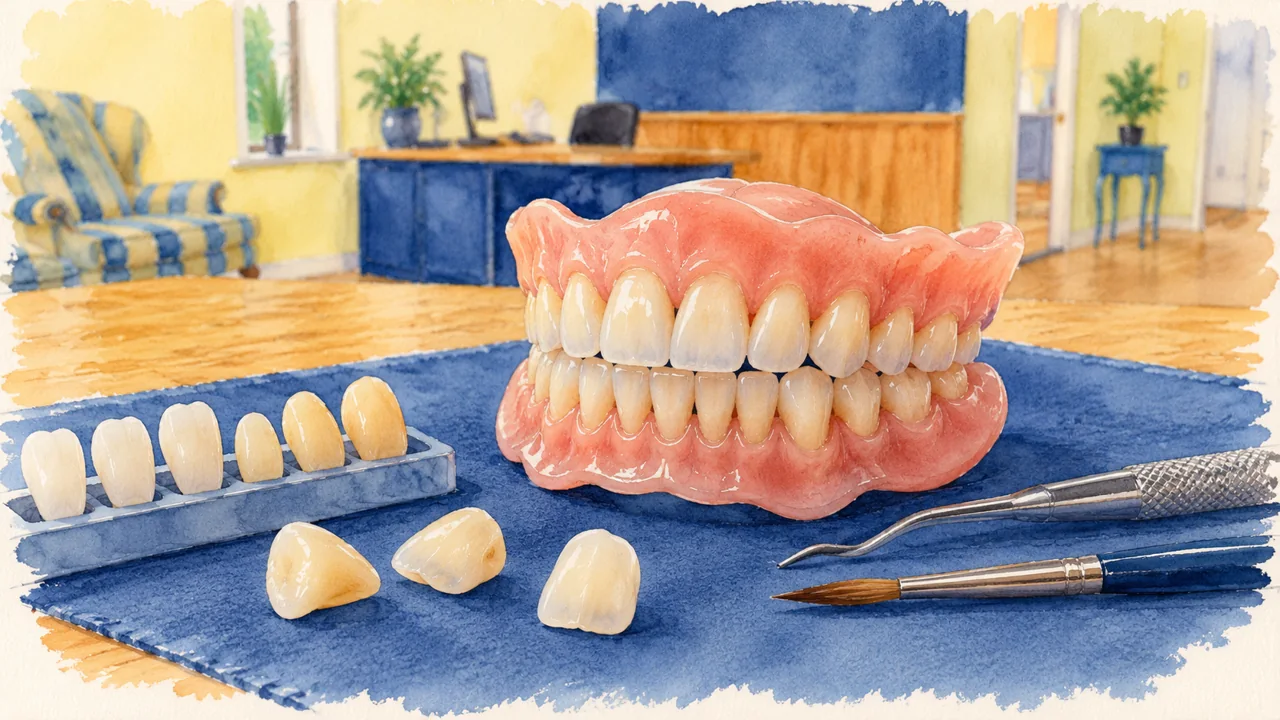
A natural-looking denture does not have to be perfectly uniform.
Read the article →Patient guide

Denture types and materials
Clasps are retaining parts of some partial dentures.
Read the article →Patient guide

Practical denture care
A safe storage routine protects your denture when it is out of your mouth and makes it less likely to be lost.
Read the article →Patient guide

Practical denture care
A metal partial denture needs a cleaning routine that is compatible with its framework as well as its acrylic parts.
Read the article →Patient guide

Practical denture care
A denture cleanser packet contains important information about the appliance it can be used on and how to use it safely.
Read the article →Patient guide

Practical denture care
An ultrasonic bath uses sound energy in liquid to help loosen deposits from an object.
Read the article →Patient guide
Practical denture care
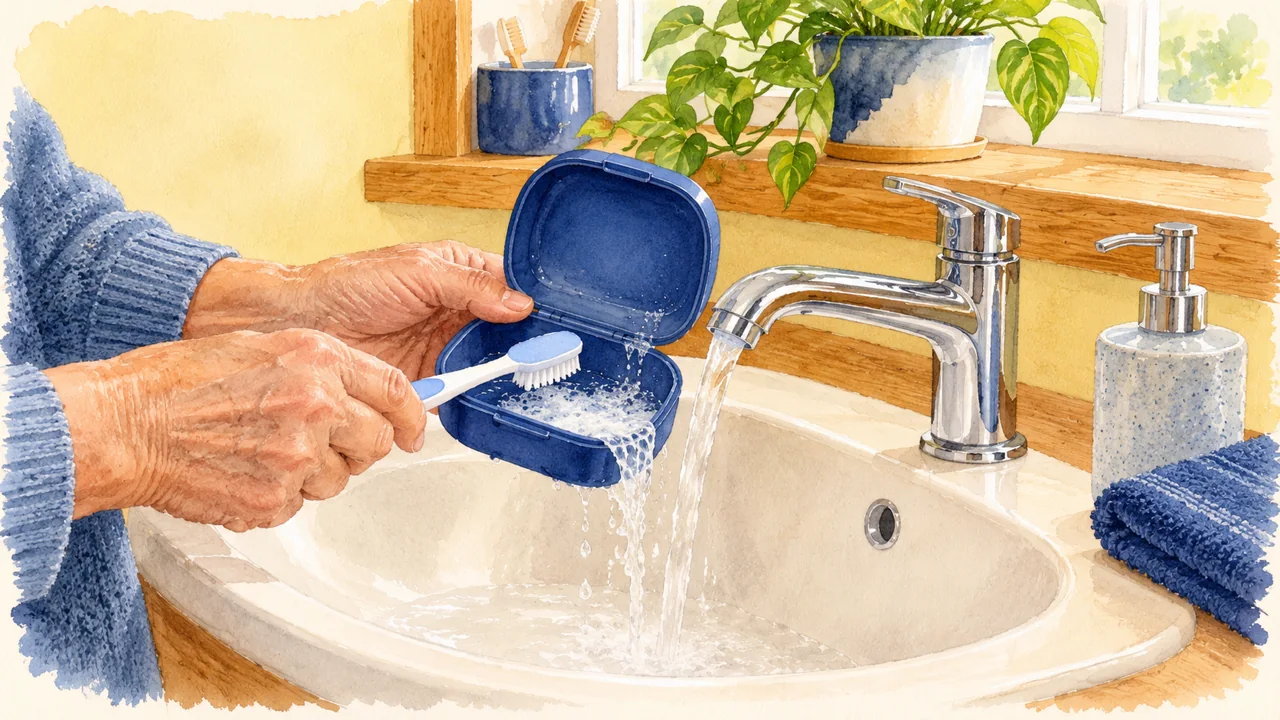
A clean denture placed in a dirty case has not reached the end of a good care routine.
Read the article →Patient guide

Practical denture care
Cleaning a denture away from home can feel awkward, especially in a small or unfamiliar bathroom.
Read the article →Patient guide

Practical denture care
Denture adhesive needs removing from both the appliance and your mouth as part of the daily routine.
Read the article →Patient guide
Practical denture care
Hard deposits on a denture can be frustrating because ordinary brushing may not shift them.
Read the article →Patient guide

Practical denture care
Cleaning and disinfecting are related but different jobs.
Read the article →Patient guide

Practical denture care
The brush used for a removable denture and the brush used for natural teeth have different jobs.
Read the article →Patient guide

Mouth health
A persistently dry mouth can make wearing dentures less comfortable and can affect eating or speaking.
Read the article →Patient guide

Mouth health
If denture comfort changes after you start a medicine, record the timing and tell your dental team.
Read the article →Patient guide

Mouth health
Asthma treatment and denture care can usually fit into the same everyday routine.
Read the article →Patient guide

Mouth health
Tell your denture clinician if you have diabetes and update the team when your treatment or health changes.
Read the article →Patient guide

Mouth health
A red area beneath a denture is not always caused by a rough edge.
Read the article →Patient guide

Mouth health
A red or white patch underneath a denture should be checked by a dentist or GP.
Read the article →Patient guide

Mouth health
Dental check-ups still have a purpose when all natural teeth have been lost.
Read the article →Patient guide

Mouth health
The remaining natural teeth are an important part of a partial denture plan.
Read the article →Patient guide

Mouth health
A retained root is part of a natural tooth left within the mouth.
Read the article →Patient guide

Mouth health
A denture routine that worked well last year may become difficult after illness, an operation or a change in daily support.
Read the article →Patient guide

Denture types and materials
A first partial denture brings a new routine as well as replacement teeth.
Read the article →Patient guide
Repairs and maintenance
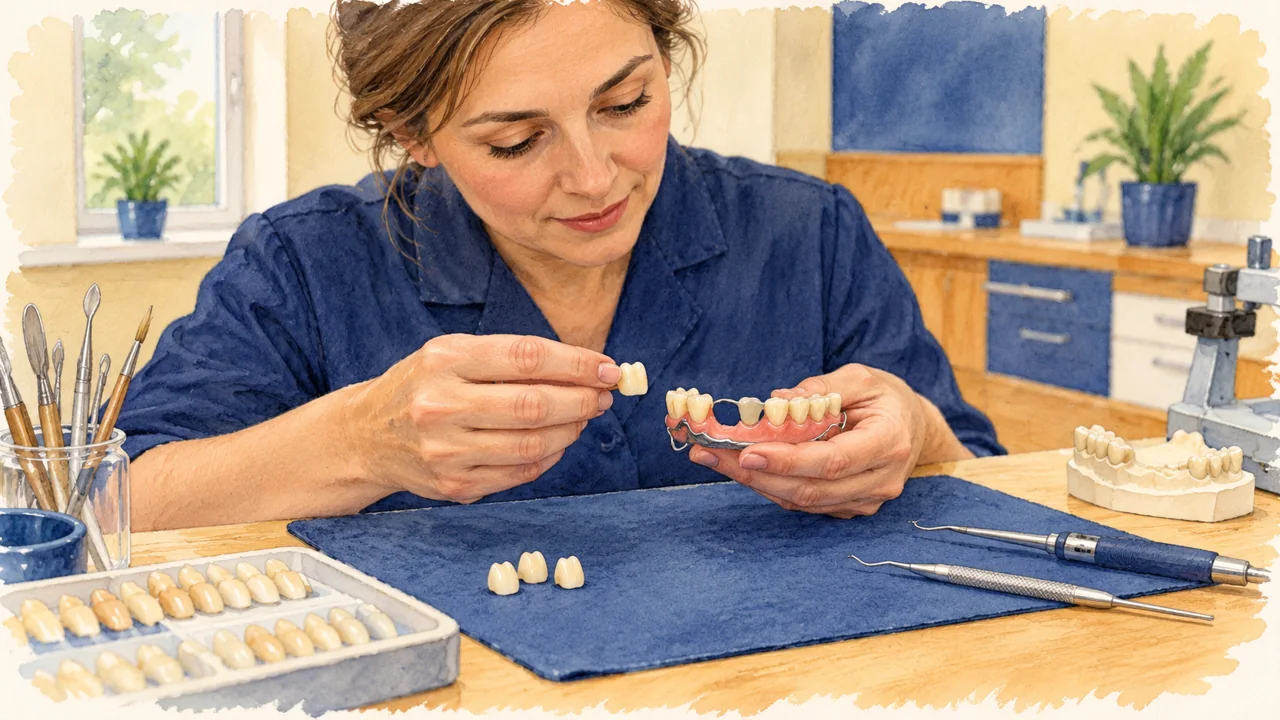
Sometimes a replacement tooth can be added to an existing partial denture after further tooth loss.
Read the article →Patient guide
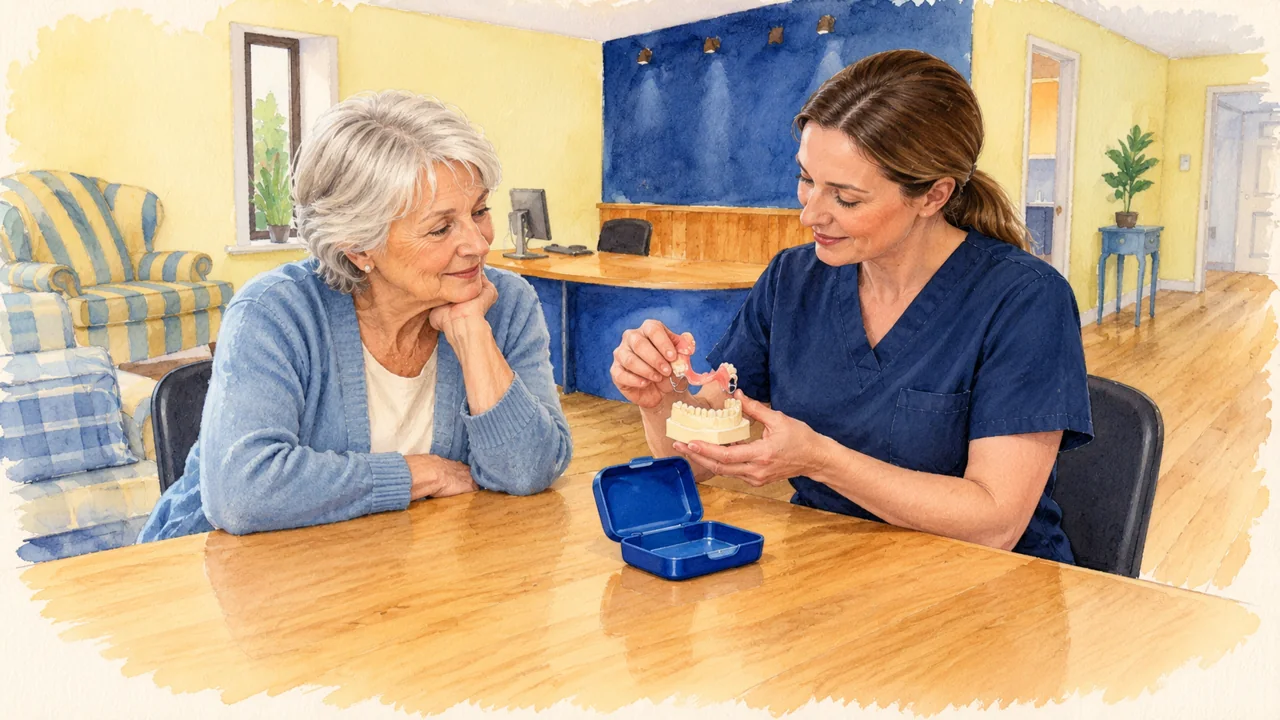
Practical denture care
A partial denture has a particular path into and out of the mouth.
Read the article →Patient guide

Denture types and materials
A missing back tooth does not automatically lead to one particular treatment.
Read the article →Patient guide

Denture types and materials
A free-end partial denture replaces missing teeth at the back of an arch where there is no natural tooth behind the gap.
Read the article →Patient guide

Mouth health
Teeth can change position after a neighbouring tooth is lost, although the pattern and significance vary between people.
Read the article →Patient guide

Denture types and materials
A partial denture and a bridge can both replace missing teeth, but they work differently.
Read the article →Patient guide

Denture types and materials
Replacing a few missing teeth with a partial denture or an implant-based restoration involves different treatment pathways.
Read the article →Patient guide

Comfort and fit
A partial denture should have a clear insertion and removal technique.
Read the article →Patient guide

Denture types and materials
Losing another natural tooth does not always mean a partial denture must be replaced, but it does mean the design needs review.
Read the article →Patient guide

Comfort and fit
If your denture teeth seem to meet on one side before the other, arrange a review.
Read the article →Patient guide

Comfort and fit
Jaw tiredness with dentures is worth discussing, especially if it is persistent, painful or affecting meals.
Read the article →Patient guide

Comfort and fit
Some people notice more saliva when a new denture is first fitted.
Read the article →Patient guide

Comfort and fit
Repeatedly biting the inside of your cheek is uncomfortable and can make meals tense.
Read the article →Patient guide

Comfort and fit
A small amount of food can find its way around a removable denture, but repeated trapping in the same place is worth discussing.
Read the article →Patient guide

Mouth health
Food can feel different after you start wearing a denture, particularly if an upper plate changes the sensation against the roof of your mouth.
Read the article →Patient guide

Denture types and materials
The plate across the roof of an upper denture has a job: it is part of the appliance's support, strength and retention.
Read the article →Patient guide

Denture types and materials
Dentures replace more than the visible part of a smile.
Read the article →Patient guide

Repairs and maintenance
A reline and a rebase both involve an existing denture, but they change different parts of it.
Read the article →Patient guide

Denture types and materials
A soft lining can be considered for selected denture problems, but it is not simply a cushion that makes any denture comfortable.
Read the article →Patient guide

Repairs and maintenance
A fine line in a denture may look minor, but it is worth having assessed before the appliance breaks further.
Read the article →Patient guide
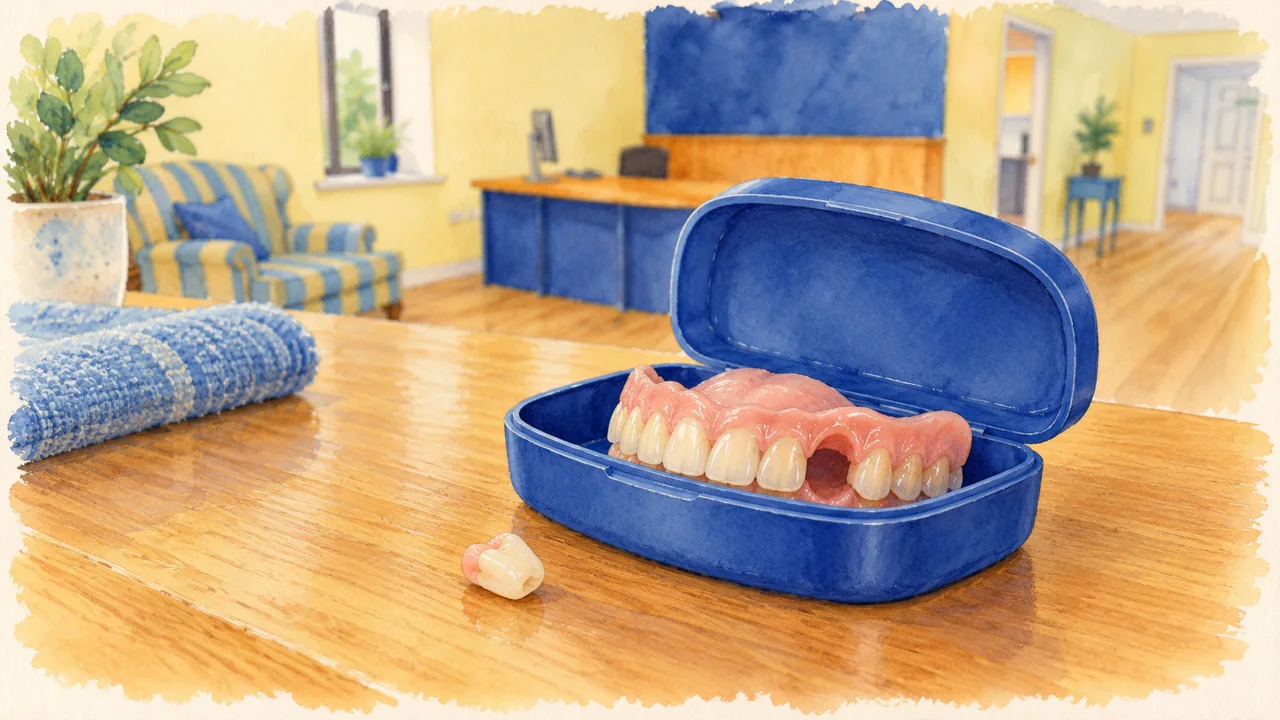
Repairs and maintenance
If a tooth comes off your denture, keep the tooth and the appliance and contact the clinic.
Read the article →Patient guide
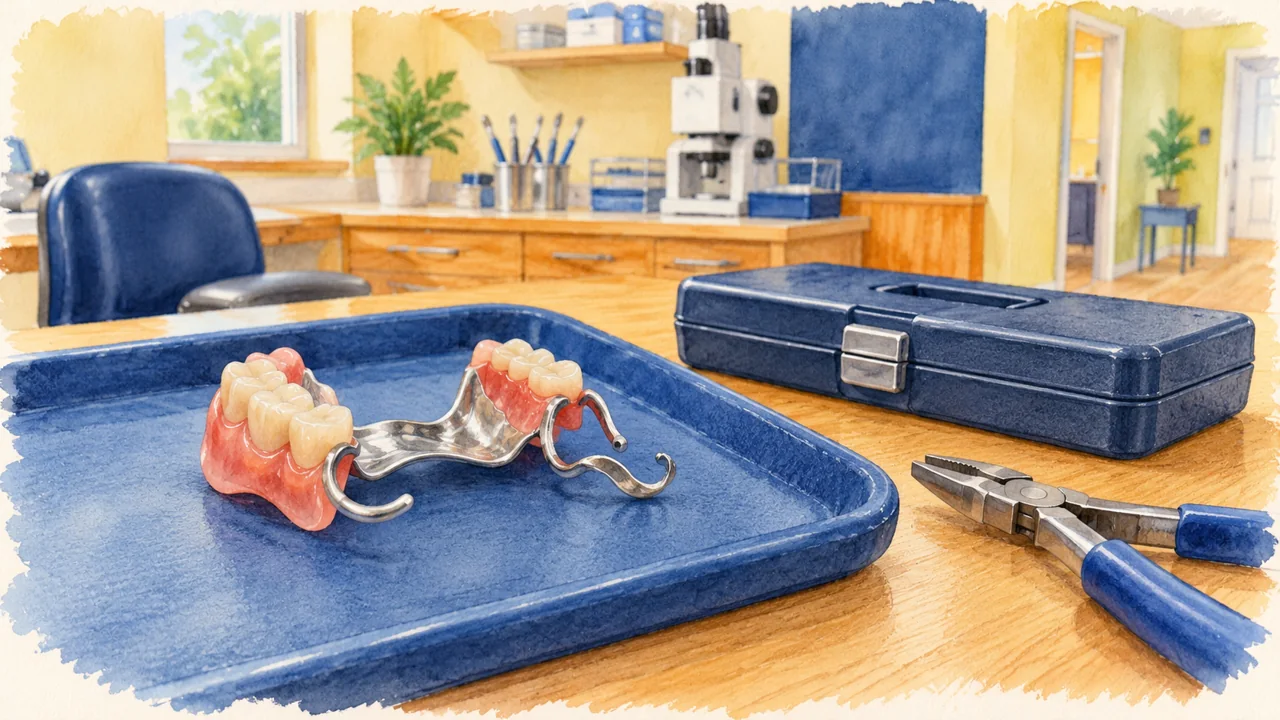
Repairs and maintenance
A clasp that has bent or changed shape can affect both the fit of a partial denture and the teeth it engages.
Read the article →Patient guide

Repairs and maintenance
Pets can damage a denture quickly, and the appliance may no longer be safe to wear even if much of it is still recognisable.
Read the article →Patient guide

Repairs and maintenance
A denture can crack or lose a tooth when dropped onto a hard basin.
Read the article →Patient guide

Repairs and maintenance
A broken denture at the weekend is disruptive, but the right contact depends on whether the problem is the appliance alone or an urgent problem in your mouth.
Read the article →Patient guide

Appointments and treatment planning
A spare denture can reduce disruption if your usual set is lost or needs repair.
Read the article →Patient guide

Repairs and maintenance
Do not send a denture through the post until the receiving clinic or laboratory has agreed the arrangement.
Read the article →Patient guide

Repairs and maintenance
If a denture keeps breaking in the same place, ask for an assessment of the reason rather than only another repair.
Read the article →Patient guide

Everyday life with dentures
If you play a contact sport or an activity with a risk of impact to the face, ask your dentist how to protect your mouth while wearing dentures.
Read the article →Patient guide

Everyday life with dentures
Returning to work with new dentures can feel like a bigger step than wearing them at home.
Read the article →Patient guide

Everyday life with dentures
Eating out while adjusting to dentures is easier when the meal is not a test of what you can tolerate.
Read the article →Patient guide

Appointments and treatment planning
If you want new dentures before a wedding or another important occasion, raise the date at the first conversation.
Read the article →Patient guide

Everyday life with dentures
Talking about dentures with a partner can feel more difficult than the practical care itself.
Read the article →Patient guide

Everyday life with dentures
If you play a wind instrument, tell your denture clinician before the design is finalised.
Read the article →Patient guide

Everyday life with dentures
Singing with a new denture may feel unfamiliar because your tongue, lips and teeth are working around a changed shape.
Read the article →Patient guide

Everyday life with dentures
A denture should fit into an active life, but activity does not make an uncomfortable appliance something to ignore.
Read the article →Patient guide

Everyday life with dentures
A long day away from home does not need an elaborate denture kit.
Read the article →Patient guide

Everyday life with dentures
Flying with dentures is mainly a question of keeping your normal care routine accessible.
Read the article →Patient guide

Everyday life with dentures
Some people swim comfortably with dentures, but suitability depends on how securely the appliance fits and the activity involved.
Read the article →Patient guide

Practical denture care
Arthritis can make a small brush, a wet denture and a hard sink an awkward combination.
Read the article →Patient guide
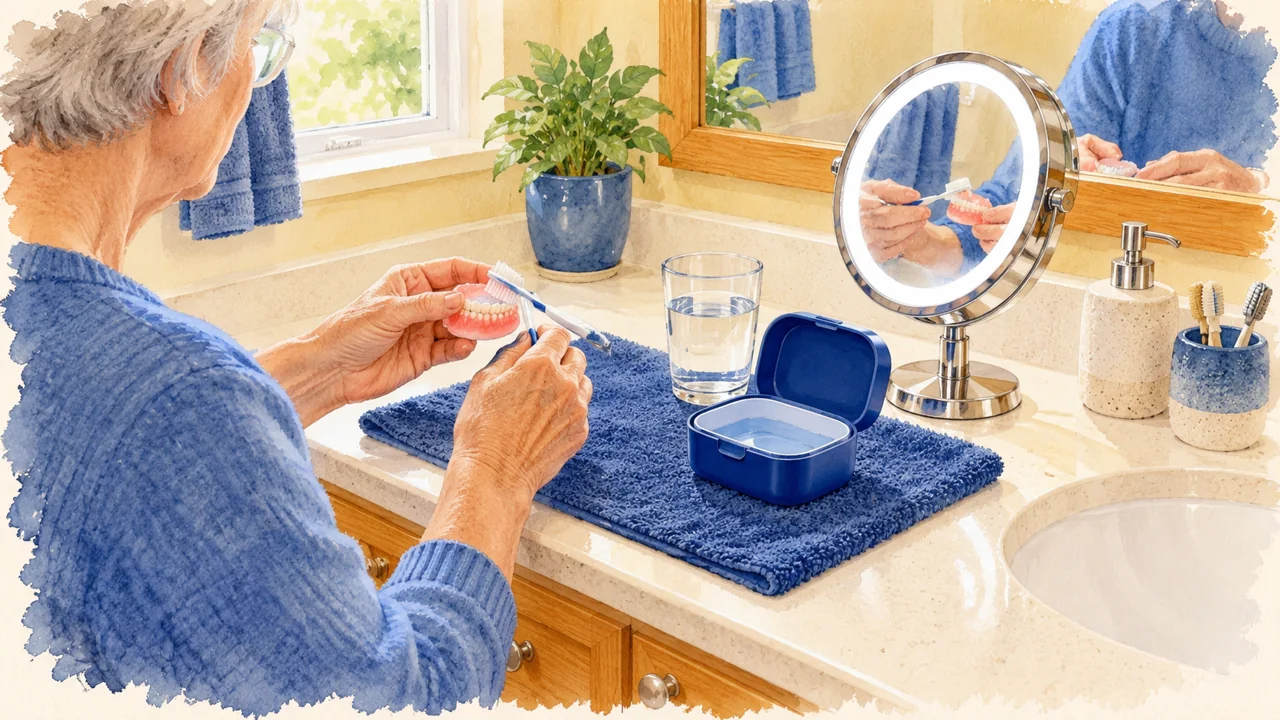
Practical denture care
Reduced eyesight can make denture care harder even when your hands are steady.
Read the article →Patient guide

Practical denture care
An unsteady hand can turn denture cleaning into a worrying task.
Read the article →Patient guide

Practical denture care
A person living with dementia may not be able to explain that a denture hurts.
Read the article →Patient guide

Practical denture care
A hospital stay can disrupt the familiar place and routine that keep dentures safe.
Read the article →Patient guide

Practical denture care
A useful denture care plan tells a carer what the person normally does, what help is needed and what to do when something changes.
Read the article →Patient guide

Practical denture care
Helping with denture care is personal care.
Read the article →Patient guide

Practical denture care
Denture identification can help reduce mix-ups and support the return of a lost appliance, particularly in hospitals and care homes.
Read the article →Patient guide

Appointments and treatment planning
Tell the clinic about hearing or communication needs when you book, not only when a procedure starts.
Read the article →Patient guide

Appointments and treatment planning
If mobility makes a denture appointment difficult, contact the clinic before travelling.
Read the article →Patient guide

Appointments and treatment planning
Replacing upper and lower dentures at different times may be possible, but the two arches still need to work together.
Read the article →Patient guide

Appointments and treatment planning
An immediate denture is planned before the teeth it replaces are removed.
Read the article →Patient guide

Practical denture care
An implant-retained denture still needs maintenance after fitting.
Read the article →Patient guide

Practical denture care
Cleaning around implant attachments can be difficult to understand from a leaflet alone.
Read the article →Patient guide

Appointments and treatment planning
A denture review is more useful when it connects the clinical checks with what happens during your day.
Read the article →Patient guide

Costs and informed choices
Comparing denture quotations fairly means comparing the same scope of care.
Read the article →Patient guide

Denture types and materials
Premium is a description used in marketing, not a single clinical definition.
Read the article →Patient guide

Denture types and materials
Online ordering can make dentures appear similar to other products bought from measurements.
Read the article →Patient guide

Comfort and fit
A short symptom diary can make a denture review more productive.
Read the article →Patient guide

Appointments and treatment planning
The fitting appointment should leave you knowing how to use your dentures and where to get help.
Read the article →Patient guide

Costs and treatment choices
Costs and the treatment included vary. Please ask for a current written quotation. Historical price examples have been removed from this guide; check current NHS charges with the NHS and discuss private options with the
Read the article →Patient guide

Cotswold denture advice
When patients visit Cotswold Denture Clinic in Cirencester, one of the most common questions I hear is:“ How long do dentures last? ”
Read the article →Patient guide

New dentures and your care
What Are Immediate Dentures? Immediate dentures are a type of denture that is fitted on the same day your natural teeth are removed. They are designed to give you an instant smile, protect your gums, and help you avoid g
Read the article →Patient guide

New dentures and your care
Choosing a denture provider is about finding the right care for your mouth and your day-to-day needs. At Cotswold Denture Clinic in Poulton, you can discuss your options directly with Simon Miles, Clinical Dental Technic
Read the article →Patient guide

Comfort, fit and repairs
If you’ve ever found yourself asking “Why do my dentures keep slipping?”, you’re certainly not alone. Denture movement is one of the most common frustrations denture wearers experience—particularly with lower dentures. T
Read the article →Patient guide

Costs and treatment choices
Costs and the treatment included vary. Please ask for a current written quotation. Historical price examples have been removed from this guide; check current NHS charges with the NHS and discuss private options with the
Read the article →Patient guide

Cotswold denture advice
One of the questions we hear most often at Cotswold Denture Clinic is: “Will I be able to eat normally with dentures?” It’s a completely understandable concern — food is one of life’s great pleasures, and the thought of
Read the article →Patient guide

Cotswold denture advice
Cleaning your dentures properly isn’t complicated, but it does matter. A good daily routine keeps your mouth healthy, prevents staining, and helps your dentures last longer. Here’s exactly what to do.
Read the article →Patient guide

Comfort, fit and repairs
Dentures don’t last forever. Over time, your gums and jawbone change shape — and so do the dentures themselves. Knowing when to replace them can save you years of discomfort. Here are the five most common signs to watch
Read the article →Patient guide

New dentures and your care
When people come to Cotswold Denture Clinic, they’re often surprised to learn that Simon Miles isn’t a dentist — he’s a Clinical Dental Technician, or CDT. So what does that mean, and why does it matter for your dentures
Read the article →Patient guide

Costs and treatment choices
Costs and the treatment included vary. Please ask for a current written quotation. Historical price examples have been removed from this guide; check current NHS charges with the NHS and discuss private options with the
Read the article →Patient guide

New dentures and your care
If you’ve never had dentures before — or if you’re coming to see us with problems from existing ones — the idea of a first consultation can feel a little daunting. It really doesn’t need to be. Here’s exactly what to exp
Read the article →Patient guide

Comfort, fit and repairs
A broken denture is one of those things that tends to happen at the worst possible moment — right before an important event, or first thing in the morning. The good news is that many common denture problems can be repair
Read the article →Patient guide

Denture types
If you’ve lost some teeth but still have healthy natural teeth remaining, a partial denture is often the most practical and affordable solution. Here’s a comprehensive guide to help you understand your options.
Read the article →Patient guide

Denture types
Costs and the treatment included vary. Please ask for a current written quotation. Historical price examples have been removed from this guide; check current NHS charges with the NHS and discuss private options with the
Read the article →Patient guide
Comfort, fit and repairs
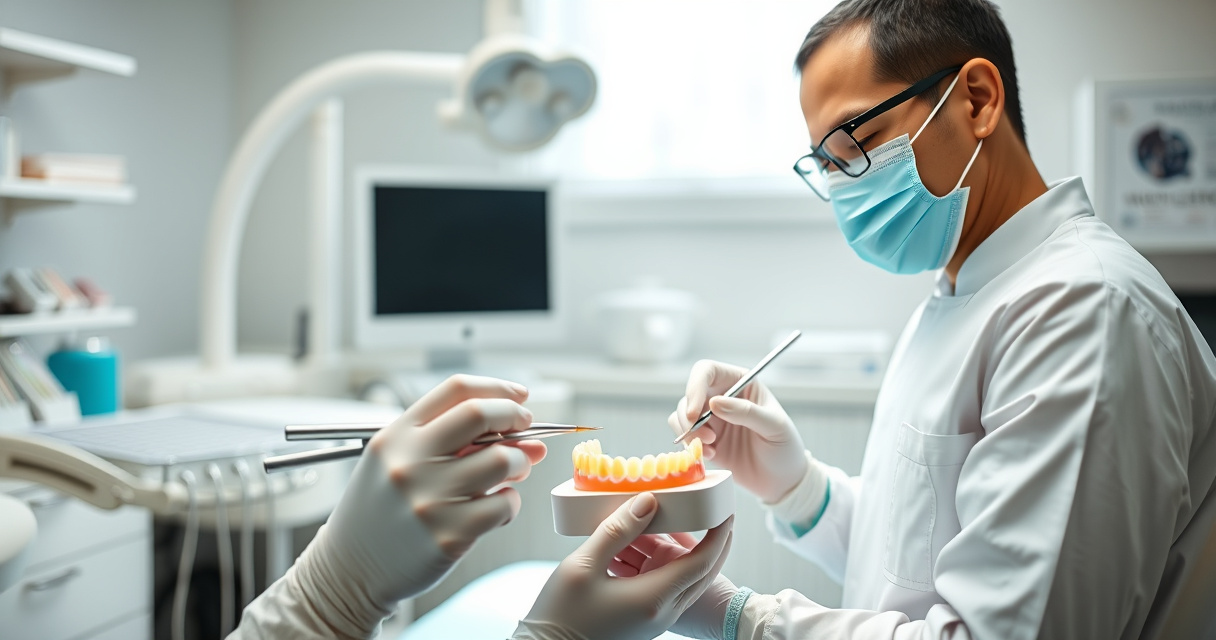
Just like your car needs an annual MOT, your dentures benefit from a regular professional check-up. At Cotswold Denture Clinic, we call this a Denture MOT — a thorough assessment of your dentures, your gums and your over
Read the article →Patient guide

Cotswold denture advice
Cotswold Denture Clinic is at Unit 5, Butts Farm Courtyard, Poulton, Cirencester, GL7 5HY. The clinic is in a rural courtyard setting with free on-site parking.
Read the article →Patient guide

Cotswold denture advice
If you’re searching for a denture clinic near Cirencester, you’ll find a number of options across the region. Here’s why so many patients from Cirencester, Cheltenham, Stroud, Tetbury and the surrounding Cotswolds villag
Read the article →Patient guide

New dentures and your care
One of the first questions new patients ask is: “How long will it take to get my dentures?” The honest answer is that it varies — but here’s a realistic guide to what’s involved and how long each stage typically takes.
Read the article →Patient guide

Cotswold denture advice
At Cotswold Denture Clinic, we make teeth. But what patients tell us we’ve actually given them back is something rather more significant: their confidence.
Read the article →Patient guide

Cotswold denture advice
Travelling with dentures is completely manageable — but a little forward planning makes it much more comfortable. Whether you’re off on a UK break or flying further afield, here’s what to pack and what to watch out for.
Read the article →Patient guide
Comfort, fit and repairs
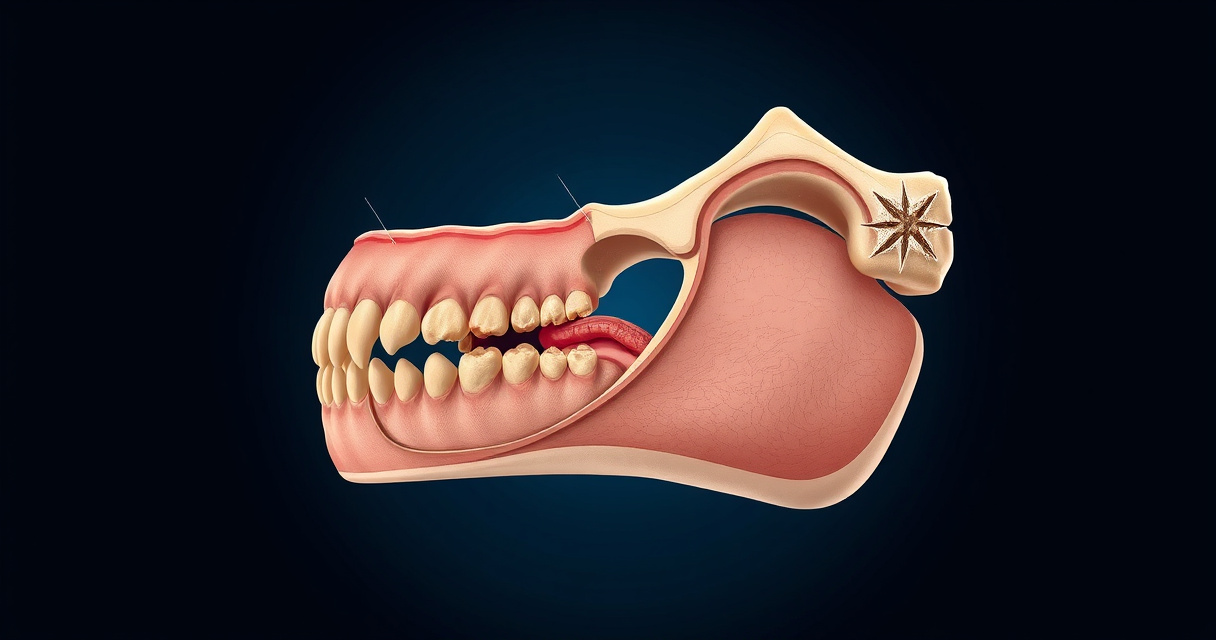
You’re not imagining it — and it’s not that your dentures have changed (though they do wear). The main reason dentures stop fitting over time is that your mouth has changed around them.
Read the article →Patient guide

Cotswold denture advice
If you’re looking for specialist denture services in Gloucestershire, Cotswold Denture Clinic in Poulton, near Cirencester, serves patients from across the county — from Cheltenham and Stroud in the north and west, to Le
Read the article →Patient guide

New dentures and your care
The term “denture prescription” can cause a little confusion. Here’s a clear explanation of what it means, when one is required, and how the process works if you come to see us at Cotswold Denture Clinic.
Read the article →Patient guide

New dentures and your care
It’s something many people put off for longer than they should. The dentures aren’t quite right — maybe they’re loose, or they look a bit dated, or eating with them has become more of an effort than a pleasure. But life
Read the article →Patient guide

Cotswold denture advice
One of the misconceptions about dentures is that once your teeth are gone, you don’t need to worry about looking after your mouth. In fact, oral health remains just as important — and in some ways demands more attention
Read the article →Patient guide

Cotswold denture advice
Denture adhesives — the creams, powders and strips used to help keep dentures in place — are used by millions of people. But there’s quite a lot of confusion about when they’re appropriate, how to use them correctly, and
Read the article →Patient guide

Cotswold denture advice
It’s one of the most common questions we’re asked — and there’s a fairly clear answer, though one that many people choose to ignore for understandable reasons.
Read the article →Patient guide

Denture types
Ask almost any denture wearer which they find more difficult — the upper or the lower — and the answer is almost always the lower. Here’s why lower dentures are inherently more challenging, and what options are available
Read the article →Patient guide

New dentures and your care
For many people, one of the most daunting aspects of needing teeth extracted is the prospect of being without teeth during the healing period. Immediate dentures solve this problem by being fitted on the same day as the
Read the article →Patient guide

Cotswold denture advice
One of the most common concerns among new denture wearers — especially those in social or professional environments — is whether people will be able to tell. Will your speech sound different? Will you lisp? Will the dent
Read the article →Patient guide

Cotswold denture advice
There’s still a cultural image of dentures as something that belongs in older age. But tooth loss — through gum disease, accidents, failed dental work or other health conditions — affects people at every age, and more pe
Read the article →Patient guide

Cotswold denture advice
One of the best things about well-fitted dentures is rediscovering the pleasure of food. But particularly in the early weeks — or if you’ve been managing with poorly-fitting dentures — soft, easy-to-eat meals can make me
Read the article →Patient guide

Cotswold denture advice
Christmas and the festive season bring an abundance of wonderful food — and with well-fitting dentures, there’s no reason you can’t enjoy it fully. Here are some tips to help you make the most of the celebrations.
Read the article →Patient guide

Cotswold denture advice
If you care for someone who wears dentures — whether a parent, spouse, or someone in your professional care — this guide will help you support their denture hygiene and recognise when professional help is needed.
Read the article →Patient guide

Cotswold denture advice
Hearing about other patients’ experiences can help you think about the questions to bring to your own consultation. Every mouth and treatment plan is different, so a review cannot predict your result.
Read the article →Patient guide

Comfort, fit and repairs
If your new dentures don’t fit properly, it is easy to feel disappointed or even regretful about the decision to replace your teeth. You may have expected a snug, comfortable fit from day one, only to find yourself battl
Read the article →Patient guide

Watch and read
Explore 47 easy-to-read guides based on Simon’s Talking Dentures videos, covering care, comfort, eating, fit and treatment choices.
Read the article →Patient guide
Talking Dentures with Simon
Dentures can pick up stains, even though they are not natural teeth. In this Talking Dentures episode, Simon explains why the way you clean them matters just as much as what you eat and drink.
Read the article →Patient guide

Talking Dentures with Simon
An unpleasant smell from a denture is a reason to look closely at both the appliance and your cleaning routine. Simon's explanation focuses on the deposits that can collect in places a quick rinse misses.
Read the article →Patient guide

Talking Dentures with Simon
Tablets, pastes and gels can make denture cleaning sound complicated. Simon's main message is to choose something suitable for the material and to use it properly, rather than chase a single product that promises to do everything.
Read the article →Patient guide

Talking Dentures with Simon
Dentures need brushing, but they should be taken out of your mouth first. Simon explains that cleaning only the visible teeth misses much of the appliance.
Read the article →Patient guide

Talking Dentures with Simon
Whether to leave dentures in overnight is a common question. Simon discusses fit, cleanliness and individual circumstances in this episode. The distinction between personal advice and a general recommendation is especially important here.
Read the article →Patient guide

Talking Dentures with Simon
The paste that is right for your natural teeth may not be right for your denture. Simon explains why the surface of acrylic needs different care.
Read the article →Patient guide

Talking Dentures with Simon
A quick rinse is not a complete denture-care routine. In this episode, Simon recommends making denture cleaning part of your morning and evening habits.
Read the article →Patient guide

Talking Dentures with Simon
A new denture changes the space your tongue works in. Simon explains why familiar words can suddenly sound different, even if you have worn dentures before.
Read the article →Patient guide

Talking Dentures with Simon
An upper denture can trigger gagging for several reasons. Simon's discussion shows why the answer is not always simply to make the palate smaller.
Read the article →Patient guide

Talking Dentures with Simon
If your denture moves during a meal, the useful question is why it is moving. Simon outlines several possible approaches, rather than one fix for everyone.
Read the article →Patient guide

Talking Dentures with Simon
Biting into a whole apple is not equally realistic for every denture wearer. Simon explains why your remaining teeth and the support under the denture make a difference.
Read the article →Patient guide

Talking Dentures with Simon
An occasional tooth contact is different from repeated clicking every time you talk. Simon explains why a persistent click deserves a closer look at the bite.
Read the article →Patient guide

Talking Dentures with Simon
There is no single date when every new denture wearer is ready for steak. Simon's answer centres on comfort, confidence and the way the denture is working.
Read the article →Patient guide

Talking Dentures with Simon
Dentures replace missing teeth, but they do not reproduce every sensation of natural teeth. Simon explains why eating can feel like learning a new skill.
Read the article →Patient guide
Talking Dentures with Simon
Some foods place more stress on a denture than others. Simon uses crunchy foods and crusty bread to explain the difference between chewing and tearing.
Read the article →Patient guide

Talking Dentures with Simon
Dentures can help you enjoy meals again, but eating with them is not identical to eating with healthy natural teeth. Simon gives a realistic explanation of both the benefits and the limits.
Read the article →Patient guide
Talking Dentures with Simon
An itchy or burning feeling under a denture should be checked, particularly if it started after a new appliance was fitted. Simon discusses several possibilities, not a diagnosis that can be made at home.
Read the article →Patient guide
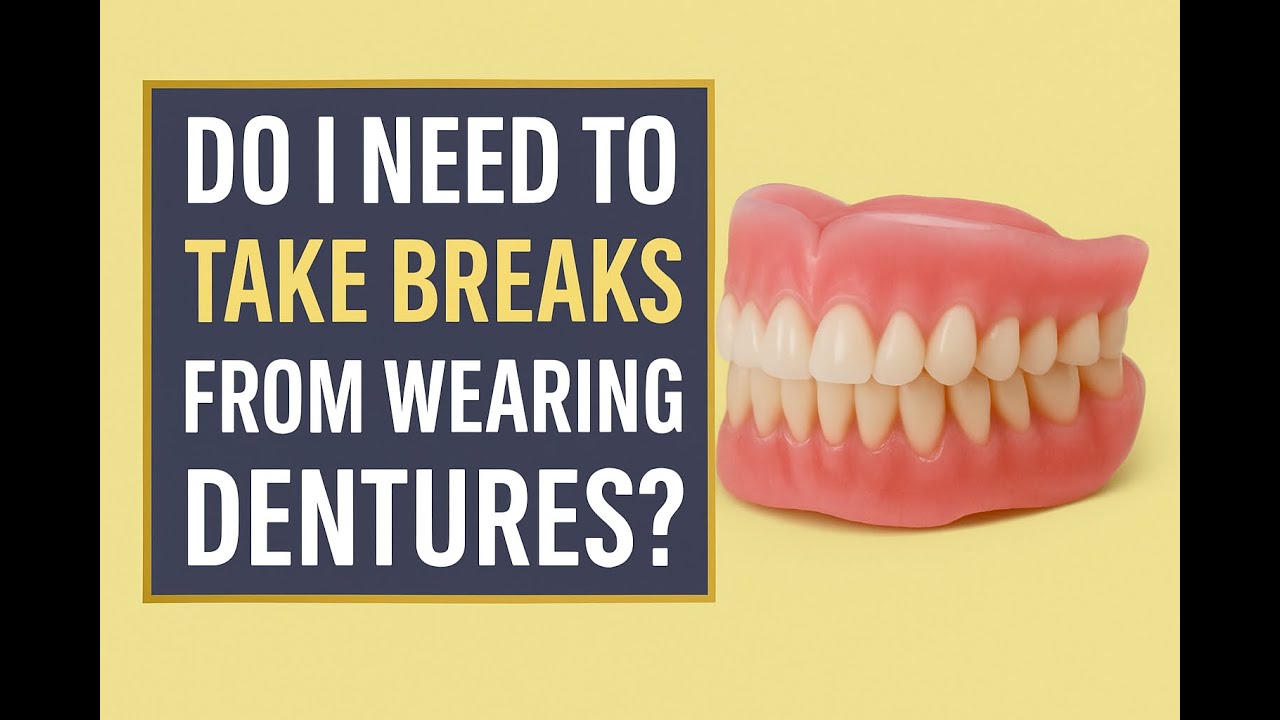
Talking Dentures with Simon
Your mouth needs a break from a removable denture. In this episode, Simon explains why the tissues underneath should have time without pressure from the appliance.
Read the article →Patient guide

Talking Dentures with Simon
Dentures can rub and cause an ulcer, but not every mouth ulcer is caused by a denture. Simon explains how continued pressure can make an already sore area harder to tolerate.
Read the article →Patient guide

Talking Dentures with Simon
Pain relief may make a sore area easier to cope with temporarily, but it does not explain why a denture is hurting. Simon's clearest advice is to have the cause assessed.
Read the article →Patient guide

Talking Dentures with Simon
A new denture often becomes more familiar with time, but improvement is not a reason to ignore soreness. Simon discusses how adaptation and professional adjustment can work together.
Read the article →Patient guide

Talking Dentures with Simon
Lower full dentures can be harder to keep stable than upper ones. Simon explains why the shape of the ridge and the movement of the tongue and lips matter.
Read the article →Patient guide

Talking Dentures with Simon
If your denture makes your mouth sore, the next step is to identify the cause. Simon explains why a clear account of the problem helps more than guessing where material should be removed.
Read the article →Patient guide

Talking Dentures with Simon
A denture should not have sharp edges that cut into your gums. Simon explains that a rough area and a fit problem both deserve professional attention.
Read the article →Patient guide

Talking Dentures with Simon
A sore spot can occur with a new denture, but it can also appear after years of comfortable use. Simon explains why the age of the denture is only part of the picture.
Read the article →Patient guide

Talking Dentures with Simon
New dentures can feel unfamiliar, and some people develop a pressure spot after they start eating with them. Simon explains why a fitting review is an important part of the process.
Read the article →Patient guide

Talking Dentures with Simon
Fixing a rubbing denture involves more than finding a sore and trimming the nearest bit of plastic. Simon describes the wider assessment behind a useful adjustment.
Read the article →Patient guide

Talking Dentures with Simon
A denture can fit the shape of the mouth yet still move. Simon makes a useful distinction between fit and retention, which is how well it stays in place.
Read the article →Patient guide

Talking Dentures with Simon
A home reline kit may look like a quick answer to a loose denture. Simon explains why a professional reline is more involved than adding material underneath it.
Read the article →Patient guide

Talking Dentures with Simon
There is no fixed adjustment calendar that suits every denture. Simon explains why checks and adjustments are different things.
Read the article →Patient guide

Talking Dentures with Simon
Needing a little denture adhesive does not automatically mean a new denture has failed. Simon explains the distinction between adding support and disguising a poor fit.
Read the article →Patient guide

Talking Dentures with Simon
Slipping can mean an upper denture dropping, a lower denture sliding or an appliance tipping during a bite. Simon explains why those details matter.
Read the article →Patient guide

Talking Dentures with Simon
An immediate denture is prepared before teeth are removed so it can be fitted straight after extraction. Simon explains how that differs from a denture made after the mouth has healed.
Read the article →Patient guide

Talking Dentures with Simon
A loose denture can sometimes be made more secure, but tightening means different things for different appliances. Simon describes why an examination comes first.
Read the article →Patient guide

Talking Dentures with Simon
A new denture can feel much larger than the old one, especially if the old appliance was very worn. Simon explains why that feeling needs to be considered alongside the actual fit.
Read the article →Patient guide

Talking Dentures with Simon
Getting used to dentures is not a race. Simon explains why two people fitted on the same day may have quite different experiences.
Read the article →Patient guide

Talking Dentures with Simon
A denture is usually made through several clinical and laboratory stages. Simon walks through the process and explains what each appointment is there to establish.
Read the article →Patient guide

Talking Dentures with Simon
Missing teeth can change the support around the lips and cheeks. Simon explains how denture design can help restore support while still allowing the appliance to function.
Read the article →Patient guide

Talking Dentures with Simon
A natural-looking denture depends on more than whether treatment is NHS or private. In this episode, Simon discusses how tooth materials and the time available for individual design can influence appearance.
Read the article →Patient guide

Talking Dentures with Simon
You do not always have to wait until healing is complete to have replacement teeth. Simon explains the difference between an immediate appliance and later treatment after extractions.
Read the article →Patient guide

Talking Dentures with Simon
Dentures and implants are not always competing alternatives. Simon explains that implants can also be used to retain a removable denture.
Read the article →Patient guide

Talking Dentures with Simon
The difference between a full denture and a partial denture is simply how many natural teeth it replaces in one jaw. Simon gives a short explanation in this episode.
Read the article →Patient guide

Talking Dentures with Simon
There is no age at which everybody needs dentures. Simon's wider point in this episode is that tooth loss can happen at different stages of life and has many possible causes.
Read the article →Patient guide

Talking Dentures with Simon
Natural-looking dentures depend on the teeth selected and the way they are arranged. Simon explains why an individual result involves more than choosing a bright shade.
Read the article →Patient guide

Talking Dentures with Simon
A denture does not have a guaranteed expiry date. Simon explains why its usefulness depends on both the appliance and the mouth it was made for.
Read the article →Patient guide

Talking Dentures with Simon
Dentures can combine several materials, each doing a different job. Simon explains the common base and framework materials and why the choice should suit the patient.
Read the article →Patient guide

Talking Dentures with Simon
This earlier Talking Dentures episode looks at overnight wear, cleanliness and the condition of the gums. It is useful to distinguish Simon's discussion of selected situations from the usual advice for denture wearers.
Read the article →Patient guide
Denture repairs in the Cotswolds
What to do if your denture breaks, what to bring and how to arrange an assessment.
Read the article →Patient guide
Local life and denture advice
Find out why dentures can shift during meals and how to have the fit checked.
Read the article →Patient guide

New dentures
New dentures are usually made over several appointments, rather than in one visit. The timescale depends on the type of denture, your mouth and the work needed. Ask for a plan before treatment starts, especially if you have a date in mind.
Read the article →Patient guide
Problems and repairs
An adjustment may help, but the denture needs checking first. A sore area, a change in your bite and a loose base can need different treatment. Tell the clinic what is happening rather than trying to alter the denture yourself.
Read the article →Patient guide
Everyday care
Your speech may sound different at first as your tongue and lips get used to new dentures. Practising aloud can help. If they move, click or make speaking persistently difficult, ask for a check rather than assuming you simply need more practice.
Read the article →Patient guide
New dentures
Your first consultation is a chance to explain what you need and discuss the options with Simon Miles. Bring your current dentures and your questions. You do not need to arrive knowing which treatment to choose.
Read the article →Patient guide
New dentures
Dentures can be made with a natural appearance, but “natural” means something different to each person. Talk about tooth shape, shade and the smile you want to keep or change. The aim is a result that suits you, rather than choosing the brightest teeth available.
Read the article →Patient guide
Everyday care
Usually, yes. Remove your dentures before sleeping unless your dental clinician has given you different instructions. Taking them out gives your mouth a rest, and cleaning them before storage should be part of your evening routine.
Read the article →Patient guide
Problems and repairs
A reline changes the fitting surface of an existing denture so it can fit your gums more closely. It may be considered when the fit has changed, but it is not suitable for every loose denture. An assessment comes first.
Read the article →Patient guide
Problems and repairs
Contact your dental team and explain which denture is missing. Replacement needs to be planned for your mouth, so do not assume it can be collected the same day. If you have an older set or treatment records, mention them when you call.
Read the article →Patient guide
New dentures
A strong gag reflex is something to discuss before denture treatment, rather than a reason to assume you have no options. Tell the clinician what triggers it and what has happened at previous appointments. The assessment will help determine an appropriate plan.
Read the article →Patient guide
New dentures
These are different professional roles. A dentist assesses and treats dental health; a dental technician makes dental appliances; a Clinical Dental Technician combines technical training with direct patient care in dentures. Which professionals you need depends on your mouth and treatment.
Read the article →Patient guide
People at the clinic
Learn about Simon’s laboratory experience, clinical training, GDC registration and personal approach to denture care in Poulton.
Read the article →Patient guide
Problems and repairs
A broken denture may be repairable, but it needs checking first. Call the clinic, keep any broken pieces and ask when it can be assessed. A same-day repair is not something we can promise before seeing the damage.
Read the article →Patient guide
Problems and repairs
The right choice depends on the damage, the fit and how well your dentures were working beforehand. Ask for an assessment of the whole denture, not just the broken part, before choosing a repair or a new set.
Read the article →Patient guide
Types and materials
Yes. A partial denture can replace one or more missing teeth. Whether it is suitable for you depends on your mouth and the teeth you still have, so a dental assessment comes before choosing a design.
Read the article →Patient guide
New dentures
It depends on whether you have natural teeth or implants. A Clinical Dental Technician can provide full dentures directly for people with neither. Treatment for people with teeth or implants needs a dentist’s prescription.
Read the article →Patient guide
Everyday care
Dentures that hurt your gums need checking. Soreness can happen while getting used to a new set, but you should not assume ongoing pain is something you must put up with. Contact your clinician and explain where and when it hurts.
Read the article →Patient guide
Everyday care
A good routine starts with knowing what your denture is made from. Ask your clinician which brush, cleaner and storage instructions suit it.
Read the article →Patient guide
Everyday care
Eating may feel different with a new denture. Give yourself room to practise, and tell your clinician if movement or discomfort is getting in the way.
Read the article →Patient guide
Behind your dentures
How impressions, denture borders, thickness and bite can influence comfort—and why fitting reviews still matter.
Read the article →Patient guide
A QUESTION YOU MIGHT HAVE
A simple routine can make everyday care easier.

Helpful, straightforward advice from our denture team.
Choose an available appointment with Simon Miles CDT.